Social and community participation under the NDIS includes activities that help people with disability build social connections, develop everyday skills, explore personal interests and become more involved in their communities.
From joining a local sports club and attending art classes to visiting libraries, learning to cook or taking part in community events, these supports can make everyday experiences more accessible and meaningful.
For many participants, getting involved is about more than simply going somewhere. It can mean gaining confidence to meet new people, learning to do things independently or enjoying activities that bring a sense of belonging.
The right NDIS support can help turn these interests into achievable goals, with assistance shaped around each person’s abilities, preferences and NDIS plan.
What Does Social and Community Participation Mean Under the NDIS?
Social and community participation means having the opportunity to take part in everyday activities, connect with other people and enjoy experiences outside the home.
Under the NDIS, participants may receive funding for disability-related assistance that makes these activities more accessible.
The support is not limited to organised programs or disability-specific groups. It can include everyday experiences that help participants feel connected, develop relationships and become more confident in their surroundings.
For example, a participant might need a support worker to:
- Accompany them to a local community centre.
- Help them communicate and interact during group activities.
- Provide physical assistance when attending a sporting event.
- Support them to use public transport or navigate unfamiliar places.
- Help them develop the confidence to attend activities independently.
The main purpose is to remove disability-related barriers so participants can enjoy greater independence and community involvement.
The NDIS considers whether the requested support meets its funding criteria and relates to the participant’s individual goals.
10 Activities Included in NDIS Social and Community Participation
There is no single list of activities that every NDIS participant must follow. The options depend on personal interests, abilities, support requirements and individual goals.
Here are 10 common activity areas that participants may explore with the right support.
1. Sports and Physical Activities
Sports provide opportunities to stay active, meet people and develop teamwork skills. Participants can explore recreational activities at a pace that suits their abilities.
Some examples include:
- Swimming and water-based recreation.
- Basketball, tennis and other recreational sports.
- Walking groups and nature trails.
- Adaptive sports and inclusive fitness sessions.
- Cycling and outdoor recreational activities.
A support worker may assist with getting ready, accessing facilities, following instructions or participating safely in an activity.
2. Arts, Crafts and Creative Workshops
Creative activities give participants a way to express themselves, explore interests and interact with others in a relaxed environment.
Popular options include:
- Painting and drawing classes.
- Pottery and ceramic workshops.
- Photography sessions.
- Music and dance classes.
- Sewing, knitting and craft groups.
These activities can also help participants practise communication, decision-making and fine motor skills while enjoying something they genuinely like.
3. Social Clubs and Group Activities
Joining a social group can make it easier to meet people with similar interests and develop lasting connections. Participants can start with smaller gatherings before exploring larger group activities.
Examples include:
- Board game and card clubs.
- Book reading groups.
- Community social gatherings.
- Hobby and interest-based clubs.
- Disability-inclusive social groups.
Support workers can help participants introduce themselves, join conversations and feel comfortable in new social environments.
4. Community Events and Local Outings
Community events offer opportunities to experience local culture, meet new people and enjoy activities beyond the usual daily routine.
Participants may choose to attend:
- Local festivals and community celebrations.
- Markets and public exhibitions.
- Cultural events and performances.
- Public concerts and entertainment.
- Community fairs and seasonal events.
Depending on individual needs, assistance may include planning the outing, arranging suitable transport, navigating crowded areas and accessing facilities.
5. Learning New Skills and Personal Development
Social and community participation can also involve learning practical skills that make everyday life easier and more independent.
Some activities include:
- Basic computer and digital literacy classes.
- Communication and social skills workshops.
- Cooking and food preparation sessions.
- Budgeting and money management classes.
- Personal development and confidence-building programs.
These experiences can help participants practise skills in real-life situations rather than only learning them in a structured setting.
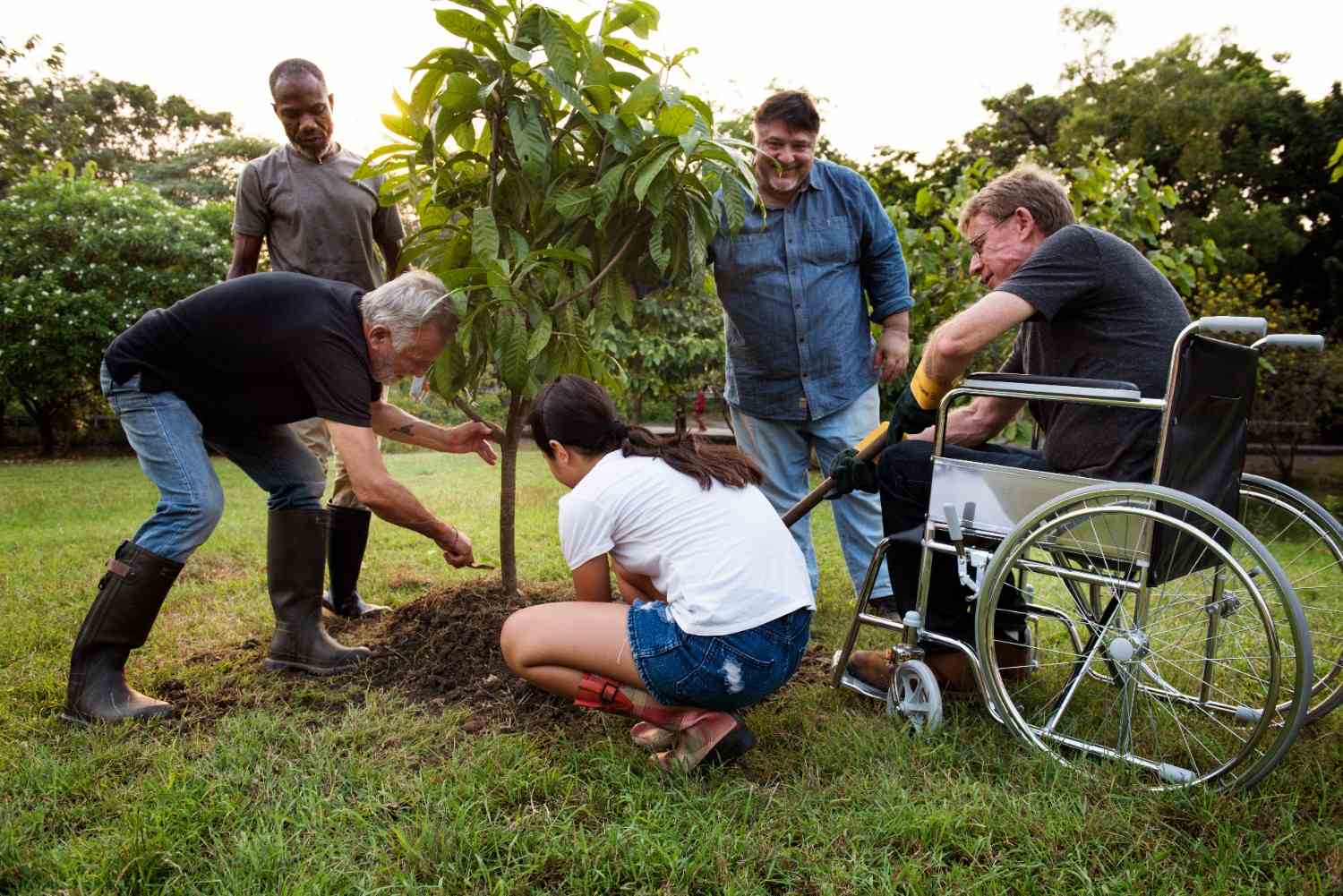
6. Volunteering and Community Contribution
Volunteering allows participants to contribute to causes they care about while developing relationships and a sense of purpose.
Possible opportunities include:
- Helping at community gardens.
- Supporting local charity events.
- Participating in environmental clean-up activities.
- Assisting with community fundraising events.
- Joining animal welfare or local community initiatives.
NDIS supports may help participants build the skills and access arrangements needed to take part in suitable volunteering opportunities.
7. Visiting Libraries, Museums and Cultural Spaces
Not every community activity needs to involve a group or formal class. Visiting public spaces can be an enjoyable way to explore interests and become more familiar with the local community.
Participants may enjoy:
- Visiting public libraries.
- Exploring museums and galleries.
- Attending educational exhibitions.
- Exploring historical landmarks.
- Taking part in public reading and cultural programs.
A support worker can assist with directions, communication, mobility and accessing facilities where required.
8. Shopping and Everyday Community Activities
Everyday activities can also create valuable opportunities for social interaction and independence. Shopping, visiting a local café or completing small errands can help participants become more comfortable navigating their surroundings.
Examples include:
- Visiting shopping centres and local markets.
- Grocery shopping.
- Going to cafés and restaurants.
- Visiting local parks and recreational spaces.
- Attending appointments and community activities.
Support may involve assistance with communication, making choices, managing purchases and navigating public spaces.
9. Music, Dance and Performing Arts
Music and performing arts can create enjoyable opportunities for self-expression, confidence-building and social interaction.
Activities may include:
- Group singing and choir sessions.
- Dance classes.
- Learning musical instruments.
- Community theatre workshops.
- Music appreciation groups.
Participants can explore different activities based on their interests, communication preferences and support requirements.
10. Nature-Based Activities and Outdoor Recreation
Spending time outdoors can introduce participants to new environments and enjoyable community experiences.
Some options include:
- Visiting botanical gardens.
- Exploring accessible walking trails.
- Picnics in local parks.
- Community gardening.
- Nature photography.
- Visiting beaches and accessible outdoor attractions.
The level of assistance can vary depending on mobility, personal care and other disability-related requirements.
How Can NDIS Support Workers Help With These Activities?
NDIS support workers help participants access activities that may otherwise be difficult to manage independently.
Their role is not simply to accompany someone from one place to another. They provide practical assistance based on the participant’s individual requirements.
Depending on the support plan, assistance may include:
| Type of assistance | How it helps participants |
| Planning activities | Identifying suitable activities based on interests and goals. |
| Transport assistance | Helping participants access community locations. |
| Personal care | Providing necessary personal care during outings. |
| Communication support | Helping participants interact with other people. |
| Mobility assistance | Supporting safe movement and access to facilities. |
| Social interaction | Encouraging confidence and participation in group settings. |
| Skill development | Helping participants practise everyday skills and build independence. |
For example, someone interested in joining a local swimming group may need assistance with changing, travelling to the facility and getting comfortable with the environment.
Another participant may only need occasional support to attend a community event or meet friends. The level of assistance should reflect what the individual actually needs.
How Do You Choose the Right Community Participation Activities?
The best activities are those that reflect what participants genuinely enjoy and what they want to achieve. There is no need to choose an activity simply because it is popular or recommended by someone else.
Here are five practical steps to help identify suitable opportunities.
- Start with personal interests
Think about activities the participant already enjoys. It could be music, sport, cooking, gardening, animals or spending time outdoors.
- Identify achievable goals
Consider what the participant would like to work towards. Goals might include making new friends, improving communication or becoming more comfortable travelling independently.
- Consider individual support requirements
Look at whether the participant needs mobility assistance, personal care, communication support, transport or one-to-one supervision.
- Explore local opportunities
Research community centres, recreational clubs, libraries, accessible events and interest-based groups in the local area.
- Review what is working
Regularly discuss whether the activities are enjoyable and helping the participant achieve their goals. Interests and support requirements can change, so arrangements should be reviewed when needed.
The NDIS also encourages participants to explore activities that suit their preferences and circumstances rather than following a standard approach.
How Does Social and Community Participation Work in Adelaide?
Adelaide offers a range of opportunities for people with disability to explore their interests, meet others and become more involved in local activities.
From community centres and recreational facilities to parks, libraries and social groups, participants can discover experiences that match their preferences.
However, finding an activity is only one part of the process. Participants may also need assistance with transport, personal care, communication or accessing unfamiliar environments.
A suitable support provider can help by:
- Understanding the participant’s interests and personal goals.
- Identifying suitable community activities in Adelaide.
- Arranging appropriate support worker assistance.
- Helping participants access activities safely.
- Encouraging independence rather than creating unnecessary dependence.
- Reviewing progress and adjusting support as needs change.
The focus should always remain on helping participants make their own choices and enjoy meaningful community experiences.
Frequently Asked Questions
1. What are examples of social and community participation under the NDIS?
Examples include joining sporting clubs, attending art classes, visiting libraries, participating in community events, volunteering, exploring local attractions and joining social groups. Participants may receive disability-related support to access these activities.
2. Can I use my NDIS funding to attend social events?
You may be able to use your NDIS funding for support worker assistance to attend social events if the support meets NDIS funding requirements. However, ordinary event tickets and entry fees are generally your responsibility.
3. Does the NDIS cover transport for community participation?
The NDIS may fund eligible transport-related supports when disability-related needs prevent a participant from accessing community activities independently. The available funding depends on individual circumstances and the participant’s plan.
4. Can a support worker accompany me to community activities?
Yes. If your NDIS plan includes suitable funding, a support worker may accompany you to sporting activities, social gatherings, shopping trips, classes and community events. They can provide assistance based on your individual requirements.
5. Can social and community participation help me become more independent?
Yes. Participating in community activities can help you practise communication, decision-making, social interaction and everyday living skills. With the right support, you may gradually become more confident in managing activities independently.
6. Can I choose my own social and community participation activities?
Yes. Your interests, preferences and goals should guide the activities you choose. You can discuss different opportunities with your support coordinator or provider to identify suitable options.
7. How do I find an NDIS provider for social and community participation in Adelaide?
Look for a provider that understands your support requirements, listens to your goals and offers flexible assistance. Ask about staff experience, available services and how they tailor support to individual participants.
Make Every Community Experience Count with My Life My Way
Being part of a community should not feel out of reach because of disability-related barriers. At My Life My Way, we believe everyone deserves opportunities to explore their interests, build meaningful relationships and enjoy greater independence.
As an NDIS-registered service provider in Adelaide, we deliver personalised disability support that reflects each participant’s goals, preferences and everyday requirements.
Our social and community participation support focuses on helping participants access activities, develop confidence and become more involved in their local communities.
We also provide support coordination, NDIS plan management, in-home support, personal care and accommodation services, helping participants access a broader range of disability supports through one provider.
Our approach is built around six values: person-centred care, empowerment, respect, commitment, collaboration and accountability. We work alongside participants, one goal at a time, to make support meaningful and practical.
Want to explore social and community participation NDIS opportunities with the right support?
Visit My Life My Way to learn more about our NDIS services across Adelaide.