Social inclusion plays a vital role in overall well-being, personal growth, and independence. For people living with disabilities, opportunities to actively engage with others and their community can significantly influence the quality of life.
The National Disability Insurance Scheme recognises this importance through dedicated supports that encourage meaningful participation beyond the home environment. Social and community participation NDIS focuses on helping participants develop skills, confidence, and connections that support long-term independence and fulfilment.
Understanding the outcomes of this support can help participants, families, and carers make informed decisions that align with personal goals and aspirations.
Understanding Social and Community Participation
Social and community participation refers to supports that enable NDIS participants to participate in everyday social, recreational, and community-based activities. These may include attending community events, joining groups or clubs, volunteering, participating in classes, or engaging in social skill-building programs.
The focus is not simply on attendance but on meaningful involvement. Activities are designed to align with individual interests, cultural preferences, abilities, and long-term goals. This personalised approach ensures participants feel motivated, respected, and supported as they engage with their surroundings.
Enhanced Confidence and Self-Worth
One of the most significant outcomes participants experience is an improvement in confidence and self-worth. Regular engagement in social activities helps individuals feel more comfortable in public settings and more confident in their abilities.
Through social and community participation, participants are encouraged to step outside familiar routines and try new experiences at their own pace.
Achieving small milestones, such as speaking up in a group or completing an activity independently, reinforces a sense of achievement. Over time, this confidence extends into other areas of life, including education, employment, and independent living.
Development of Meaningful Relationships
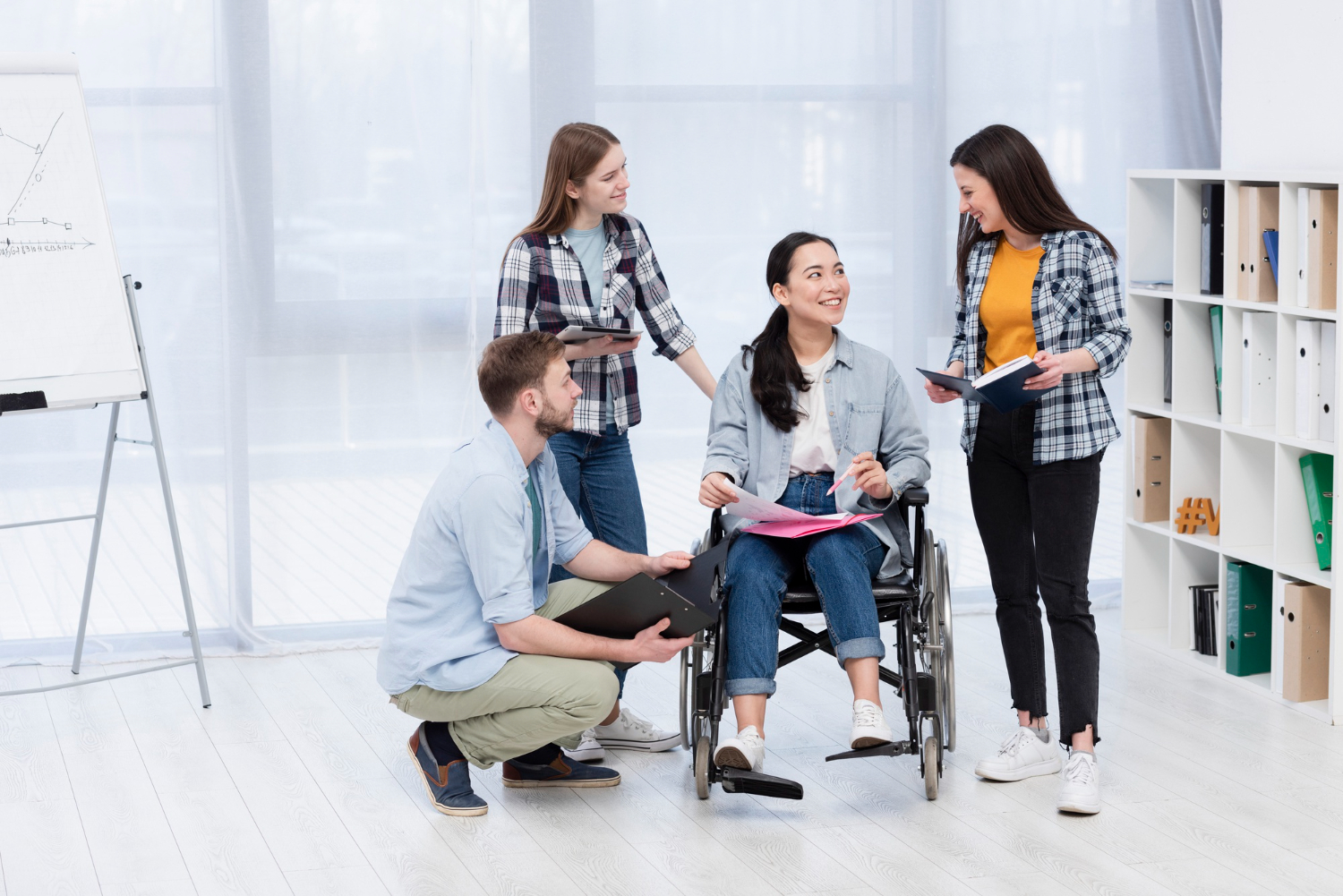
Strong social connections are essential for emotional well-being. Many NDIS participants face social isolation due to limited opportunities or barriers to participation. Community engagement creates pathways to build genuine relationships based on shared interests and experiences.
Participants often develop friendships that provide companionship, mutual support, and a sense of belonging. These relationships contribute to emotional resilience and reduce feelings of loneliness. Long-term social connections also encourage continued participation and engagement within the community.
Improved Communication and Social Interaction Skills
Effective communication is a key component of social participation. Regular interaction with peers, facilitators, and community members allows participants to practice and refine essential communication skills.
These include verbal expression, active listening, understanding social cues, and responding appropriately in different situations. Through social and community participation NDIS, learning occurs in real-world environments rather than controlled settings, making skill development more practical and sustainable.
Greater Independence and Life Skills Development
Community participation often involves everyday tasks that support independent living. Activities such as planning outings, managing schedules, handling money, or using public transport help participants build practical life skills.
As individuals gain experience and confidence, they become more capable of making decisions and managing daily responsibilities. Increased independence reduces reliance on family members or carers and empowers participants to take greater control of their lives.
Positive Impact on Mental and Emotional Well-being
Mental health and emotional well-being are closely linked to social inclusion. Engaging in regular social activities provides structure, purpose, and positive stimulation.
Participants often report reduced anxiety, improved mood, and increased motivation as they become more socially active. Being part of a community fosters a sense of acceptance and value, which contributes to emotional stability and overall well-being.
Exploration of Interests and Personal Strengths
Social participation offers opportunities to explore hobbies, interests, and talents that may otherwise remain undiscovered. Activities can range from creative arts and sports to educational workshops and volunteering.
Through social and community participation NDIS participants can identify strengths and interests that bring enjoyment and meaning. These discoveries also support future pathways into education, training, or employment, creating opportunities for long-term personal growth.
Improved Community Inclusion and Awareness
Active participation benefits not only individuals but also the wider community. When people with disability are visible and engaged, it promotes understanding, acceptance, and inclusion.
Community members gain exposure to diverse perspectives and abilities, thereby reducing stigma and misconceptions. Inclusive communities are stronger, more connected, and more responsive to the needs of all members.
Support for Goal Achievement
NDIS plans are structured around individual goals, and social participation is often central to achieving them. Whether the aim is to build friendships, improve independence, or develop new skills, participation provides measurable outcomes that align with these objectives.
Participants can monitor progress through increased confidence, expanded social networks, and improved functional abilities. This alignment ensures that supports remain purposeful and outcome-focused.
Long-Term Lifestyle Improvements
The benefits of community participation extend beyond short-term engagement. Over time, participants often experience sustained improvements in lifestyle, well-being, and independence.
Regular involvement encourages healthy routines, continued learning, and ongoing personal development. As confidence and skills grow, participants are more likely to seek new opportunities and remain actively involved in their communities.
Conclusion
Social inclusion is a foundational element of a fulfilling and independent life. Social and community participation NDIS provides participants with the opportunity to build confidence, develop meaningful relationships, enhance life skills, and improve overall well-being.
The outcomes are both immediate and long-lasting, supporting individuals to live more connected, purposeful, and empowered lives.
With the right supports in place, participants can actively engage in their communities and achieve personal goals that contribute to lasting positive change. At MLMW, we support social and community participation by helping individuals take part in everyday activities and connect with others.
Our focus is on building confidence, social skills, and independence through regular community involvement. We aim to support meaningful participation that helps people feel included and active in their community.